When a cryptocurrency token receives confirmation of a major exchange listing, the market often responds with explosive price action that can generate returns of 50% to 500% within days. These exchange listing catalyst events represent some of the most powerful short-term drivers in digital asset markets, creating opportunities for informed traders while reshaping project valuations overnight.
Understanding the mechanics behind exchange listing announcements and their market implications has become essential for cryptocurrency investors seeking to capitalize on these high-impact events. The phenomenon extends beyond simple supply and demand dynamics, involving complex factors including timing, exchange tier, and broader market conditions.
The Anatomy of Exchange Listing Price Action
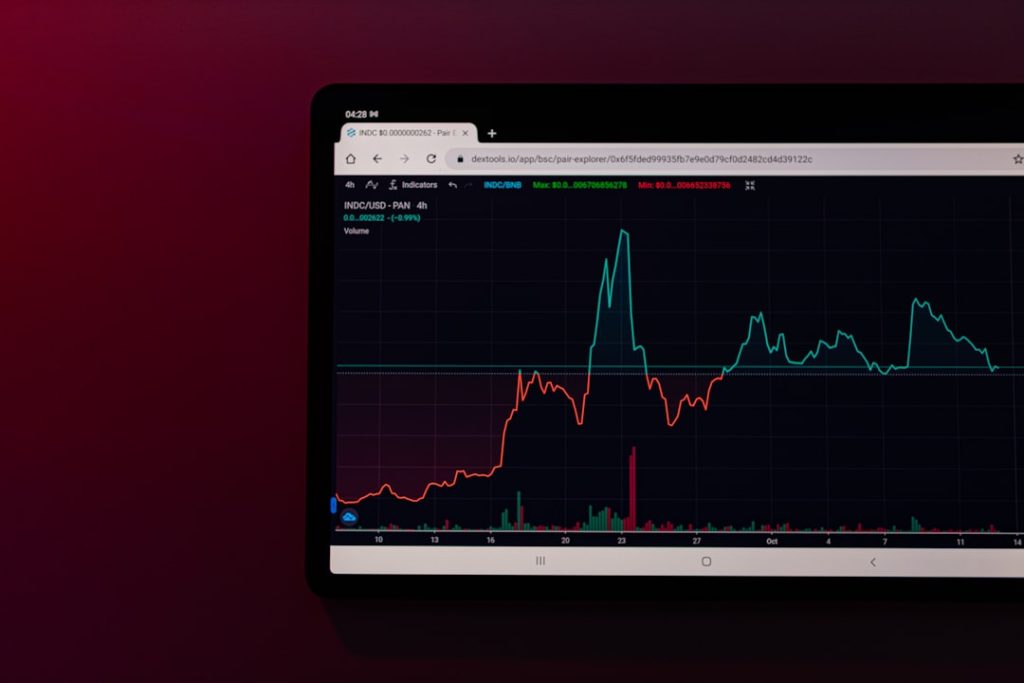
Exchange listing catalyst events typically unfold in three distinct phases that savvy traders learn to recognize and navigate. The anticipation phase begins when rumors or hints emerge about potential listings, often driving speculative buying as traders position for the announcement. During this period, trading volumes frequently increase by 200-400% above normal levels as market participants accumulate positions.
The announcement phase delivers the most dramatic price movements, with tokens commonly experiencing their largest single-day gains within 24 hours of official confirmation. Data from major listing events shows that tier-1 exchange announcements generate average price increases of 80-120%, while tier-2 exchanges typically drive gains of 30-60%. The sustainability of these moves depends heavily on the token’s fundamental strength and existing market presence.
Following the initial surge, the consolidation phase often brings significant volatility as early buyers take profits and new investors evaluate entry points. This period can last several weeks and frequently determines whether the exchange listing catalyst delivers lasting value or merely creates a temporary spike.
Key Factors That Amplify Listing Impact
Several critical variables determine the magnitude and duration of price movements following exchange announcements. Market capitalization plays a fundamental role, with smaller-cap tokens experiencing more pronounced percentage gains due to their lower liquidity and increased sensitivity to new trading venues. Tokens valued below $100 million often see the most explosive moves when listed on major platforms.
The reputation and user base of the listing exchange significantly influences market reaction. Listings on Binance, Coinbase, or other tier-1 platforms carry substantially more weight than smaller exchange announcements, primarily due to their massive user bases and institutional credibility. Geographic factors also matter, as exchanges with strong presence in specific regions can unlock entirely new investor demographics for listed tokens.
Timing within broader market cycles affects the potency of listing catalysts considerably. During bull markets, exchange listings often trigger sustained rallies that extend far beyond initial announcements. Conversely, bear market conditions may limit upside potential despite successful listings, as overall risk appetite remains suppressed.
Identifying Pre-Listing Opportunities and Signals
Experienced traders develop systematic approaches to identify potential exchange listing catalyst opportunities before official announcements. Social media monitoring reveals valuable early signals, including increased mentions of specific tokens by exchange-affiliated accounts or subtle hints from project teams about upcoming developments.
Technical analysis provides additional confirmation signals when combined with fundamental research. Unusual volume spikes, accumulation patterns, and breakouts from consolidation ranges often precede major announcements by days or weeks. Projects demonstrating strong on-chain metrics, growing user adoption, and regulatory compliance typically present the highest probability listing candidates.
Partnership announcements, regulatory approvals, and integration updates frequently serve as leading indicators for exchange considerations. Tokens that successfully navigate compliance requirements or achieve significant technical milestones position themselves favorably for tier-1 exchange evaluation.
Risk Management and Strategic Positioning
While exchange listing catalyst events offer substantial profit potential, they also carry significant risks that require careful management. The “buy the rumor, sell the news” phenomenon affects many listing events, particularly when announcements fail to meet elevated expectations or occur during unfavorable market conditions.
Position sizing becomes critical when trading listing catalysts, as the high volatility can generate both exceptional gains and substantial losses within short timeframes. Professional traders typically allocate 2-5% of their portfolio to speculative listing plays, ensuring that potential losses remain manageable while preserving upside exposure.
Exit strategy planning proves essential for maximizing returns from exchange listing catalyst positions. Setting profit targets at multiple levels allows traders to capture gains while maintaining exposure for potential extended moves. Stop-loss orders help protect capital when listings fail to generate expected market responses.
Exchange listing catalysts will continue serving as major market drivers as the cryptocurrency ecosystem matures and expands. Success in trading these events requires combining thorough research, technical analysis, and disciplined risk management to navigate the opportunities and pitfalls that define this dynamic corner of digital asset markets.