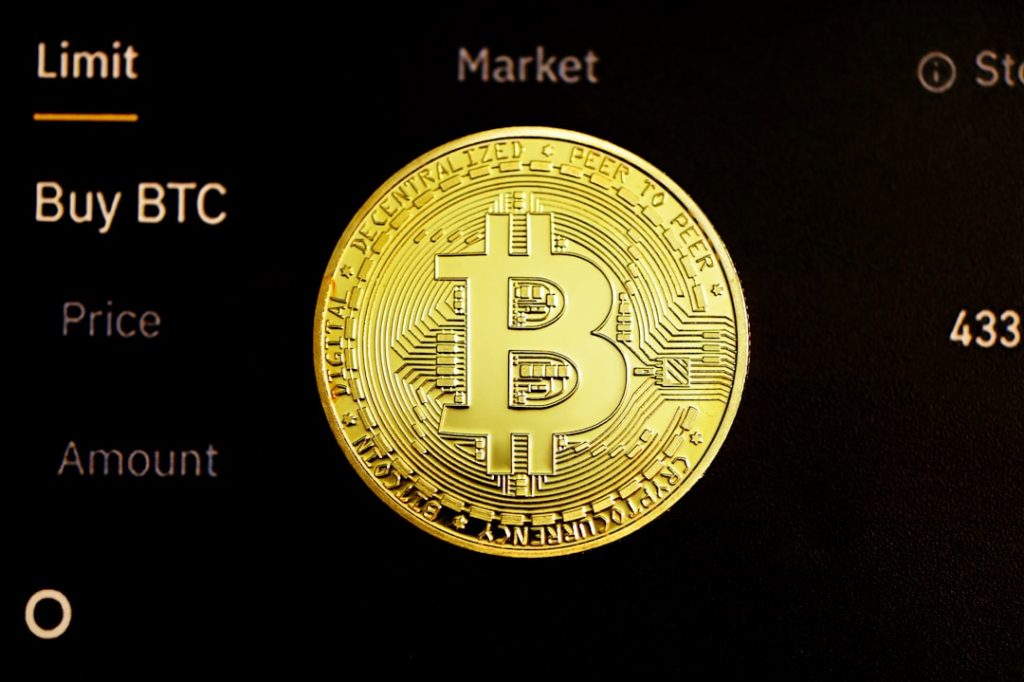
The cryptocurrency landscape has undergone a dramatic transformation as Bitcoin ETF inflow reaches unprecedented heights, fundamentally altering how institutional and retail investors approach digital assets. This massive influx of capital through exchange-traded funds has created ripple effects across the entire crypto ecosystem, establishing new market dynamics that were unimaginable just a few years ago.
Traditional financial institutions are no longer sitting on the sidelines. The surge in Bitcoin ETF inflow has attracted pension funds, hedge funds, and corporate treasuries seeking regulated exposure to cryptocurrency without the complexities of direct ownership. This institutional embrace has brought a level of legitimacy and stability to Bitcoin that many market participants had been anticipating for over a decade.
The numbers tell a compelling story. Daily Bitcoin ETF inflow figures have consistently outpaced traditional gold ETFs, signaling a generational shift in how investors view store-of-value assets. This trend has created sustained buying pressure that has helped reduce Bitcoin’s notorious volatility, making it more appealing to risk-averse institutional investors who previously avoided the space entirely.
Market microstructure has evolved significantly due to this institutional participation. The increased Bitcoin ETF inflow has led to more sophisticated trading patterns, with large block transactions and programmatic buying replacing the emotional retail-driven movements that once characterized crypto markets. This maturation has attracted additional professional trading firms and market makers, further enhancing liquidity and price discovery mechanisms.
The broader cryptocurrency market has benefited from this legitimization effect. As Bitcoin ETF inflow continues to grow, investors are becoming more comfortable exploring other digital assets, leading to increased capital allocation across the entire sector. This phenomenon has particularly benefited Ethereum and other major cryptocurrencies, as portfolio managers seek diversification within their digital asset allocations.
Regulatory clarity has played a crucial role in sustaining this momentum. The approval and success of Bitcoin ETFs have paved the way for additional cryptocurrency investment products, creating a positive feedback loop that continues to attract institutional capital. Financial advisors who once avoided recommending crypto exposure are now incorporating Bitcoin ETF allocations into diversified portfolios for their clients.
The global nature of Bitcoin ETF inflow has also contributed to price stability across different time zones. Unlike traditional crypto trading, which often experienced significant gaps between Asian, European, and American trading sessions, ETF activity provides more consistent price action as institutional investors operate with longer time horizons and more systematic approaches to portfolio management.
Perhaps most significantly, the sustained Bitcoin ETF inflow has begun to influence corporate treasury strategies. Companies are increasingly viewing Bitcoin as a viable alternative to cash reserves, particularly in an environment where traditional savings yields remain challenged. This corporate adoption creates another layer of demand that supports long-term price appreciation potential.
As we look toward the future, the trajectory of Bitcoin ETF inflow suggests that cryptocurrency has successfully crossed the chasm from speculative asset to legitimate investment category. This transformation continues to reshape market dynamics, creating new opportunities for investors while establishing Bitcoin as a permanent fixture in the global financial system. The implications of this shift extend far beyond price appreciation, fundamentally altering how the world perceives and interacts with digital assets.