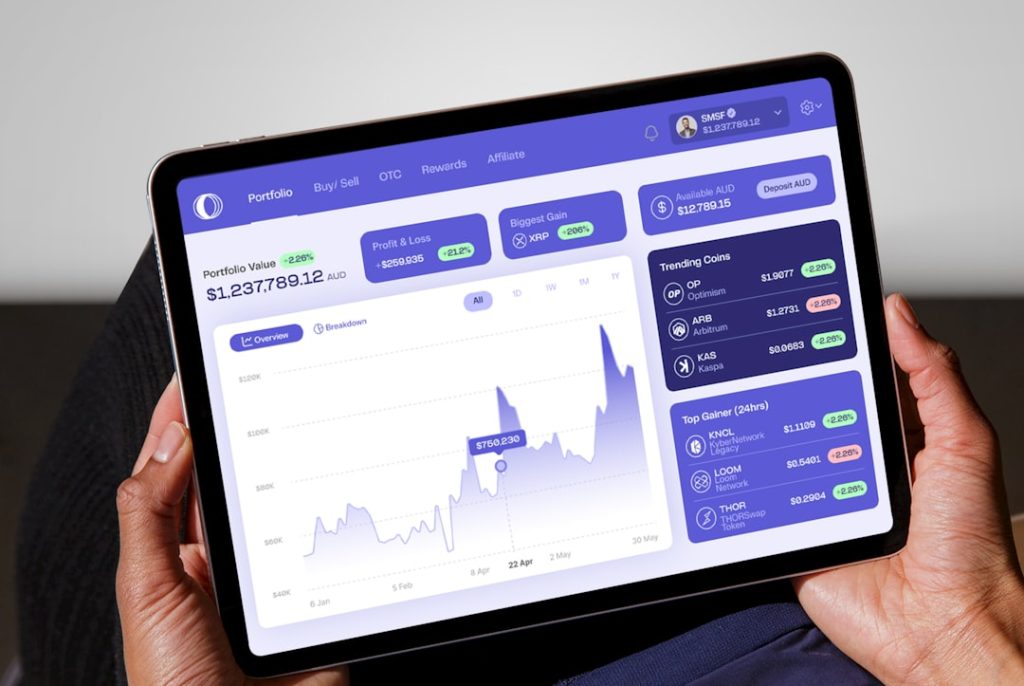
The digital asset landscape has evolved dramatically, demanding sophisticated infrastructure that can safeguard billions in cryptocurrency holdings. Modern crypto custody solutions represent the backbone of institutional cryptocurrency adoption, combining cutting-edge security protocols with robust operational frameworks that protect assets worth over $2.3 trillion globally.
At its core, a crypto custody solution operates through a complex web of cryptographic protections, hardware security modules, and distributed key management systems. Unlike traditional banking infrastructure, these systems must navigate the irreversible nature of blockchain transactions while maintaining the highest security standards. The architecture typically employs a multi-layered approach, beginning with secure key generation in air-gapped environments and extending through sophisticated transaction validation protocols.
The foundation of any enterprise-grade crypto custody solution lies in its key management infrastructure. Advanced systems utilize threshold signature schemes, where cryptographic keys are split across multiple secure locations and parties. This approach ensures that no single point of failure can compromise the entire system. Leading providers implement Byzantine fault-tolerant consensus mechanisms, requiring multiple independent validations before any transaction receives authorization. These systems often integrate hardware security modules certified to FIPS 140-2 Level 4 standards, providing tamper-evident protection against physical attacks.
Network security architecture forms another critical component of modern custody infrastructure. Institutions demand air-gapped signing environments that remain completely isolated from internet connectivity during the transaction signing process. This cold storage approach, combined with secure communication channels for transaction coordination, creates multiple security barriers that malicious actors must overcome. Advanced implementations incorporate zero-knowledge proof systems, allowing transaction validation without exposing sensitive cryptographic material.
Risk management protocols within a comprehensive crypto custody solution extend far beyond technical safeguards. Leading platforms implement sophisticated transaction monitoring systems that analyze patterns, amounts, and destinations in real-time. These systems flag unusual activities, enforce customizable withdrawal limits, and maintain detailed audit trails for regulatory compliance. Machine learning algorithms continuously analyze transaction patterns, adapting to emerging threats and evolving attack vectors.
Operational security measures complement technical infrastructure through rigorous governance frameworks. Multi-signature requirements typically involve geographically distributed signatories, with time-locked transactions providing additional security layers for large transfers. Emergency response protocols ensure rapid reaction to potential security incidents, while regular penetration testing and security audits validate system integrity. Many institutional-grade solutions maintain insurance coverage exceeding $1 billion, providing additional protection against unforeseen losses.
The regulatory landscape significantly influences crypto custody solution design, with institutions requiring compliance across multiple jurisdictions. Advanced platforms incorporate automated reporting capabilities, maintaining detailed records that satisfy regulatory requirements in regions including the United States, European Union, and Asia-Pacific markets. These systems support various compliance frameworks, from anti-money laundering protocols to know-your-customer requirements, ensuring seamless integration with existing institutional compliance programs.
Integration capabilities represent another crucial aspect of modern custody infrastructure. Enterprise-grade solutions provide robust APIs that connect seamlessly with existing trading systems, portfolio management platforms, and accounting software. This connectivity enables automated workflows while maintaining security boundaries, allowing institutions to incorporate cryptocurrency holdings into their broader investment strategies without compromising operational efficiency.
The technological sophistication of today’s crypto custody solutions reflects the maturation of the digital asset ecosystem. As institutional adoption continues accelerating, these platforms serve as the critical infrastructure enabling traditional financial institutions to safely navigate cryptocurrency markets. The combination of military-grade security, regulatory compliance, and operational excellence positions these systems as essential components of the modern financial technology stack, supporting the continued evolution of digital asset adoption across global markets.