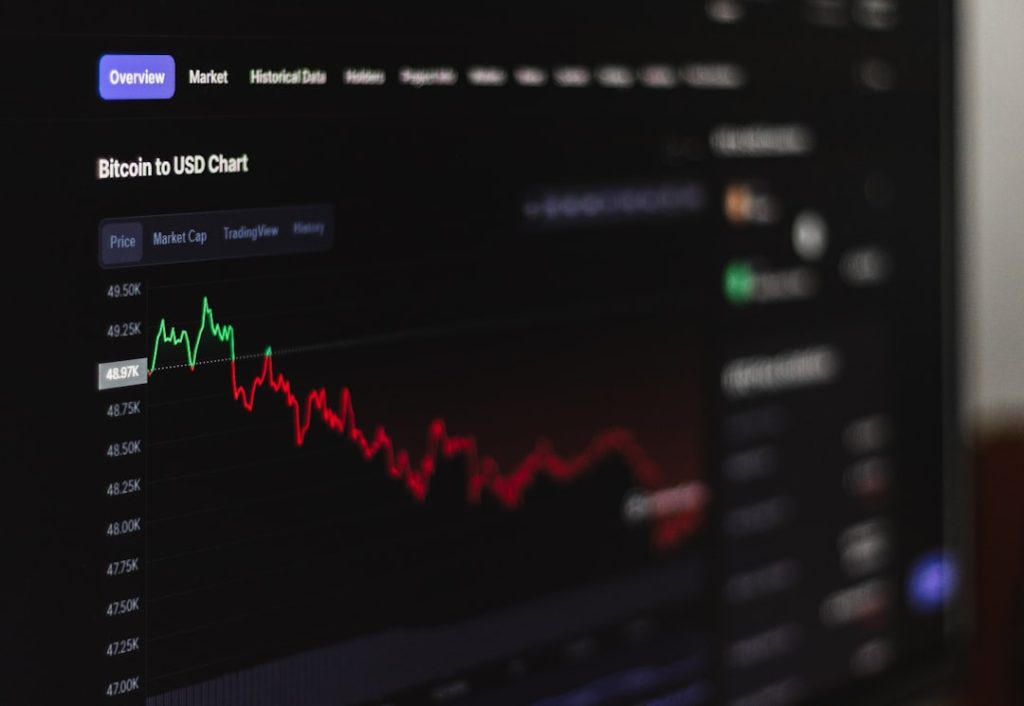
The digital asset landscape has never been more treacherous for investors. With over $3.8 billion lost to cryptocurrency fraud and hacks in recent years, traditional investment protection methods have proven woefully inadequate. However, a powerful new approach is emerging that’s transforming how investors safeguard their portfolios: on-chain data signal analysis.
Unlike conventional financial markets where information flows through intermediaries and can be manipulated or delayed, blockchain technology creates an immutable public ledger of every transaction. This transparency has given birth to sophisticated analytical tools that can decode patterns, identify risks, and predict potential threats before they materialize into investor losses.
An on-chain data signal represents a measurable indicator derived from blockchain transaction data that reveals underlying market dynamics, investor behavior, or potential security threats. These signals encompass everything from unusual wallet movements and smart contract interactions to token distribution patterns and liquidity flows. When properly analyzed, they create an early warning system that traditional financial analysis simply cannot match.
Consider the recent case of a DeFi protocol that appeared legitimate on the surface, complete with professional marketing materials and celebrity endorsements. However, on-chain analysis revealed suspicious patterns weeks before its eventual collapse. The protocol’s smart contracts showed unusual admin privileges, token allocation favored a small group of early wallets, and liquidity patterns suggested coordinated manipulation. Investors who heeded these on-chain data signals avoided losses exceeding $200 million when the protocol ultimately failed.
The protection mechanisms work through several key detection methods. Whale movement analysis tracks large holders’ behavior, often revealing coordinated selling pressure before price dumps. Smart contract auditing through on-chain signals can identify potential vulnerabilities or hidden backdoors that malicious actors might exploit. Transaction pattern recognition spots unusual trading volumes, wash trading, or other market manipulation tactics that precede major price movements.
Network health indicators provide another crucial layer of protection. An on-chain data signal might reveal declining validator participation in proof-of-stake networks, suggesting potential consensus vulnerabilities. Hash rate fluctuations in proof-of-work systems can signal mining centralization risks or potential 51% attacks. These technical indicators often manifest weeks or months before becoming visible through traditional market analysis.
Real-time monitoring capabilities have revolutionized risk management for digital asset investors. Advanced platforms now provide instant alerts when on-chain data signals indicate potential threats to specific holdings. These systems can detect everything from exchange wallet movements suggesting potential insider trading to governance token concentration that might enable hostile takeovers of decentralized protocols.
The sophistication of these analytical tools continues to evolve rapidly. Machine learning algorithms now process millions of transactions daily, identifying subtle patterns that human analysts might miss. Cross-chain analysis tracks assets as they move between different blockchain networks, preventing fraudsters from exploiting network boundaries to hide malicious activity.
Institutional adoption has accelerated dramatically as traditional financial institutions recognize the value of on-chain intelligence. Major investment firms now employ dedicated blockchain analysts who specialize in interpreting on-chain data signals for risk assessment. This institutional validation has led to more standardized metrics and improved analytical methodologies across the industry.
Educational initiatives are also crucial for individual investor protection. Understanding basic on-chain metrics like token distribution, liquidity depth, and transaction patterns empowers investors to make more informed decisions. While sophisticated analysis requires specialized tools, even basic on-chain awareness can help investors avoid obvious scams and high-risk situations.
The regulatory landscape is beginning to incorporate on-chain analysis as well. Compliance frameworks increasingly require digital asset service providers to demonstrate robust monitoring capabilities. This regulatory pressure is driving innovation in on-chain surveillance tools and creating industry standards for risk detection and prevention.
As the digital asset ecosystem matures, on-chain data signal analysis represents the evolution from speculative gambling toward informed investment decision-making. These tools don’t eliminate all risks inherent in digital assets, but they provide unprecedented transparency and early warning capabilities that traditional financial markets lack. For investors willing to embrace this analytical approach, on-chain signals offer a powerful shield against the numerous threats that continue to plague the cryptocurrency landscape, transforming what was once a blind leap of faith into a calculated, data-driven investment strategy.