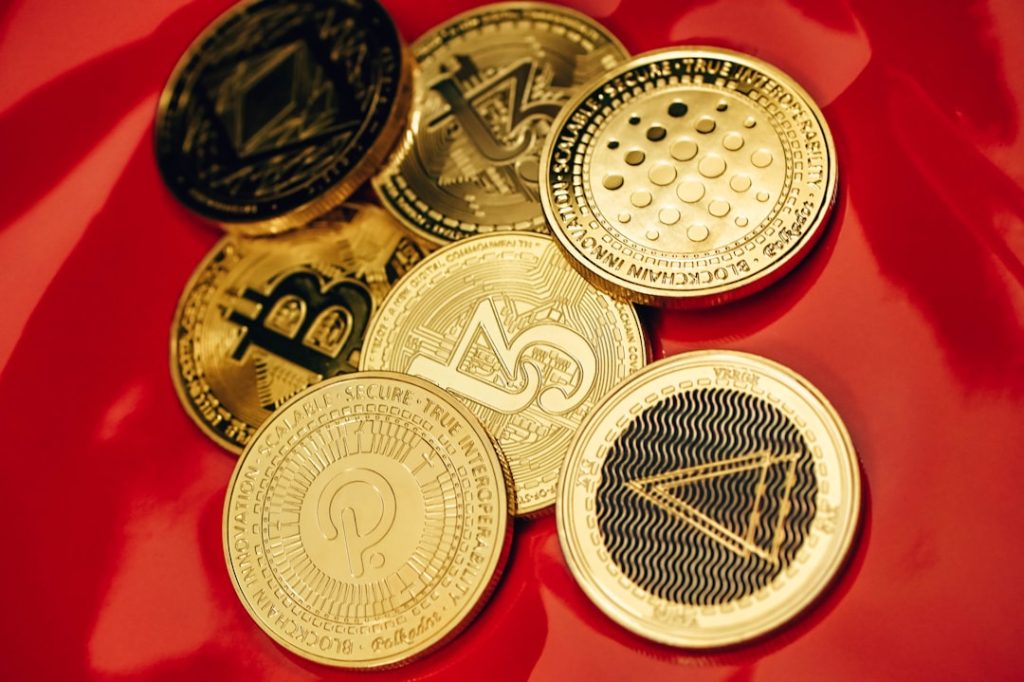
Cryptocurrency markets are witnessing a pivotal moment as multiple altcoins demonstrate classic breakout patterns, suggesting the current altcoin breakout cycle may be entering its most significant phase in years. While Bitcoin continues to dominate headlines, alternative cryptocurrencies are quietly building momentum through technical formations that historically precede substantial price movements.
The anatomy of an altcoin breakout cycle typically unfolds in distinct phases, beginning with accumulation periods where institutional and retail investors gradually build positions. Data from recent trading volumes indicates this accumulation phase has been particularly pronounced, with several mid-cap altcoins showing steady buying pressure despite broader market volatility. This sustained interest creates the foundation for explosive price action when technical resistance levels finally give way.
Layer-one blockchain protocols have emerged as primary beneficiaries of the current cycle, driven by real-world adoption metrics that support their price appreciation. Ethereum competitors continue to gain traction through decreased transaction costs and improved scalability solutions, while decentralized finance protocols built on these networks are experiencing renewed institutional interest. The convergence of technical breakout patterns with fundamental adoption creates a compelling narrative for sustained upward momentum.
Key Catalysts Driving Price Action
Multiple catalysts are converging to fuel the altcoin breakout cycle, with regulatory clarity serving as perhaps the most significant driver. Recent policy developments have removed substantial uncertainty from the cryptocurrency space, allowing institutional investors to increase their altcoin allocations with greater confidence. This institutional flow has been particularly evident in smart contract platforms and infrastructure tokens, which have seen consistent accumulation patterns over recent months.
Enterprise blockchain adoption represents another critical catalyst, as major corporations continue implementing blockchain solutions for supply chain management, digital identity, and financial services. Unlike previous cycles driven primarily by speculation, the current altcoin breakout cycle appears grounded in measurable utility and adoption metrics. Projects demonstrating clear value propositions and growing user bases are commanding premium valuations as investors recognize their long-term potential.
The emergence of new use cases, particularly in artificial intelligence integration and real-world asset tokenization, has created fresh demand for specialized blockchain networks. These sectors require specific technical capabilities that many altcoins are uniquely positioned to provide, creating natural demand drivers beyond speculative trading activity.
Technical Patterns and Market Structure
From a technical analysis perspective, the current altcoin breakout cycle exhibits several characteristics that distinguish it from previous market phases. Multiple altcoins are simultaneously testing key resistance levels, suggesting coordinated buying pressure rather than isolated price movements. This broad-based strength indicates underlying market health and reduces the likelihood of false breakouts that have plagued previous cycles.
Volume patterns provide additional confirmation of breakout validity, with many altcoins experiencing above-average trading activity as they approach critical technical levels. The combination of increased volume and price consolidation near resistance typically precedes significant upward movements, creating favorable risk-reward ratios for positioned investors. Market structure analysis reveals that current breakout attempts are occurring from higher lows than previous cycles, indicating improved underlying strength.
Cross-asset correlations also suggest the altcoin market is developing greater independence from Bitcoin price movements, a maturation signal that could lead to more sustained individual breakout patterns. This decreased correlation allows altcoins to respond more directly to project-specific catalysts and adoption metrics rather than broader cryptocurrency sentiment.
The confluence of technical breakout patterns, fundamental adoption drivers, and improved market structure positions the current altcoin breakout cycle as potentially more sustainable than previous speculative runs. Investors monitoring volume confirmations, resistance level breaks, and adoption metrics will likely identify the most compelling opportunities as this cycle continues to unfold. The key to navigating this environment successfully lies in distinguishing between projects with genuine utility and those riding temporary momentum waves.