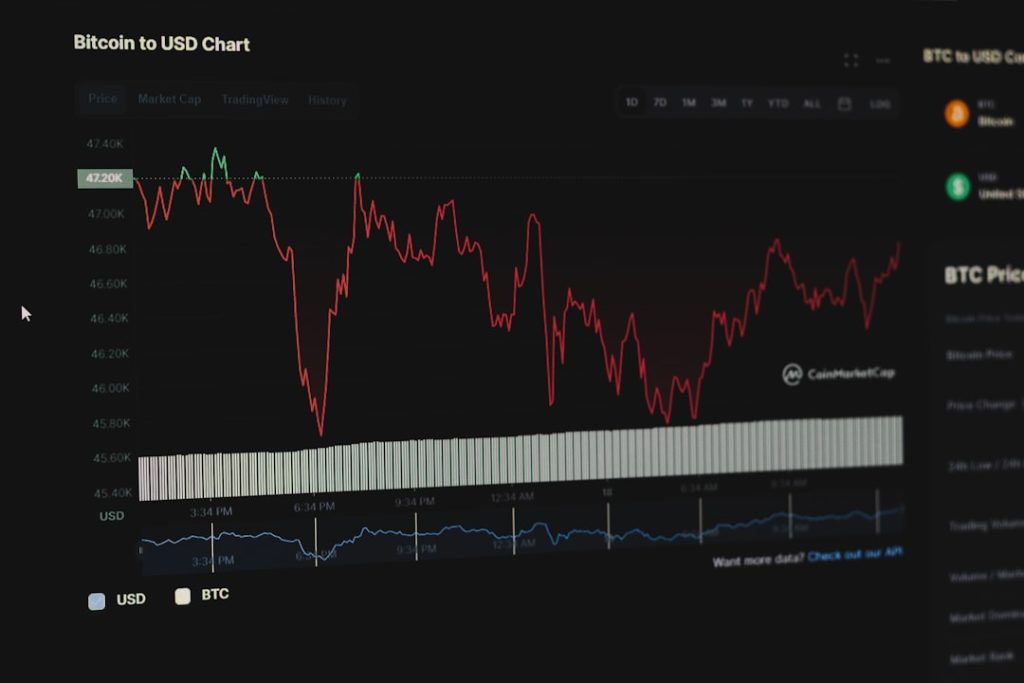
The institutional cryptocurrency landscape has reached a pivotal moment as Bitcoin ETF inflow data continues to paint a compelling picture of mainstream adoption. What began as cautious institutional interest has evolved into substantial capital movements that are fundamentally altering the Bitcoin market dynamics and creating new opportunities for both retail and institutional investors.
Understanding Bitcoin ETF inflow patterns requires examining the broader context of how these investment vehicles have transformed cryptocurrency accessibility. Unlike direct Bitcoin ownership, ETFs provide investors with exposure to Bitcoin’s price movements through traditional brokerage accounts, eliminating the complexities of digital wallet management and private key security. This accessibility factor has proven instrumental in driving the substantial inflows witnessed across major Bitcoin ETF products.
Recent Bitcoin ETF inflow data reveals interesting patterns about investor behavior and market sentiment. During periods of market uncertainty, traditional safe-haven assets like gold often see increased demand, but Bitcoin ETFs have begun exhibiting similar characteristics, attracting capital from investors seeking portfolio diversification beyond conventional asset classes. This trend suggests that Bitcoin is gradually earning recognition as a legitimate store of value among institutional portfolio managers.
The magnitude of these inflows has created ripple effects throughout the broader cryptocurrency ecosystem. As Bitcoin ETF inflow volumes increase, they generate corresponding buying pressure on the underlying asset, potentially contributing to price appreciation and reduced volatility over time. This institutional backing provides a stabilizing force that contrasts sharply with Bitcoin’s historically volatile trading patterns, making it more attractive to risk-averse investors who previously avoided cryptocurrency exposure.
Geographic distribution of Bitcoin ETF inflow sources reveals fascinating insights about global adoption patterns. While North American markets initially dominated these flows, European and Asian institutional investors have increasingly participated, reflecting growing worldwide acceptance of Bitcoin as an investable asset class. This geographic diversification of demand creates more robust price support and reduces the impact of regional market disruptions on Bitcoin’s overall valuation.
Fee structures and operational efficiency have emerged as critical factors influencing Bitcoin ETF inflow decisions. Investors are gravitating toward products offering competitive expense ratios and superior tracking accuracy relative to Bitcoin’s spot price. These preferences are driving healthy competition among ETF providers, ultimately benefiting investors through improved products and lower costs. The most successful Bitcoin ETFs have demonstrated their ability to maintain tight bid-ask spreads and minimize tracking error, factors that institutional investors prioritize when making allocation decisions.
Tax implications represent another crucial consideration driving Bitcoin ETF inflow patterns. Many investors prefer ETF exposure over direct Bitcoin ownership due to clearer tax treatment and simplified reporting requirements. ETFs allow investors to gain Bitcoin exposure within tax-advantaged accounts like IRAs and 401(k)s, opening new avenues for retirement planning that incorporate cryptocurrency exposure while maintaining favorable tax treatment.
The relationship between Bitcoin ETF inflow trends and broader market cycles provides valuable insights for investors attempting to time their entries and exits. Historical data suggests that sustained inflow periods often coincide with broader risk-on market environments, while outflows tend to occur during periods of general market stress. However, Bitcoin ETFs have shown remarkable resilience during certain market downturns, suggesting that some investors view Bitcoin exposure as genuinely diversifying during specific types of market stress.
Looking ahead, Bitcoin ETF inflow sustainability will likely depend on several key factors including regulatory clarity, institutional adoption rates, and Bitcoin’s continued evolution as a recognized asset class. The infrastructure supporting these products continues improving, with enhanced liquidity provision, more sophisticated market makers, and better integration with existing institutional investment workflows. These improvements should facilitate continued growth in institutional adoption and corresponding inflow stability.
For investors considering Bitcoin ETF exposure, understanding inflow dynamics provides crucial context for making informed decisions. Strong, consistent Bitcoin ETF inflow patterns often signal growing institutional confidence and can indicate favorable risk-adjusted return potential. However, investors should remember that past inflow patterns don’t guarantee future performance, and cryptocurrency investments remain subject to significant volatility and regulatory risks that require careful consideration within overall portfolio construction strategies.